Claude Cowork for Non-Coders: Your New AI Assistant
Most people think Claude Cowork is just for programmers. They're wrong.
While it has "code" in its DNA, Cowork is actually a powerful administrative assistant for paid Claude plans. It can work with files in your Claude account or, when Claude Desktop is open and connected, with folders on your Mac or Windows computer — organizing files, creating documents, and processing busywork faster than any human.
If you work in Operations, HR, Finance, or Marketing, this guide is for you.
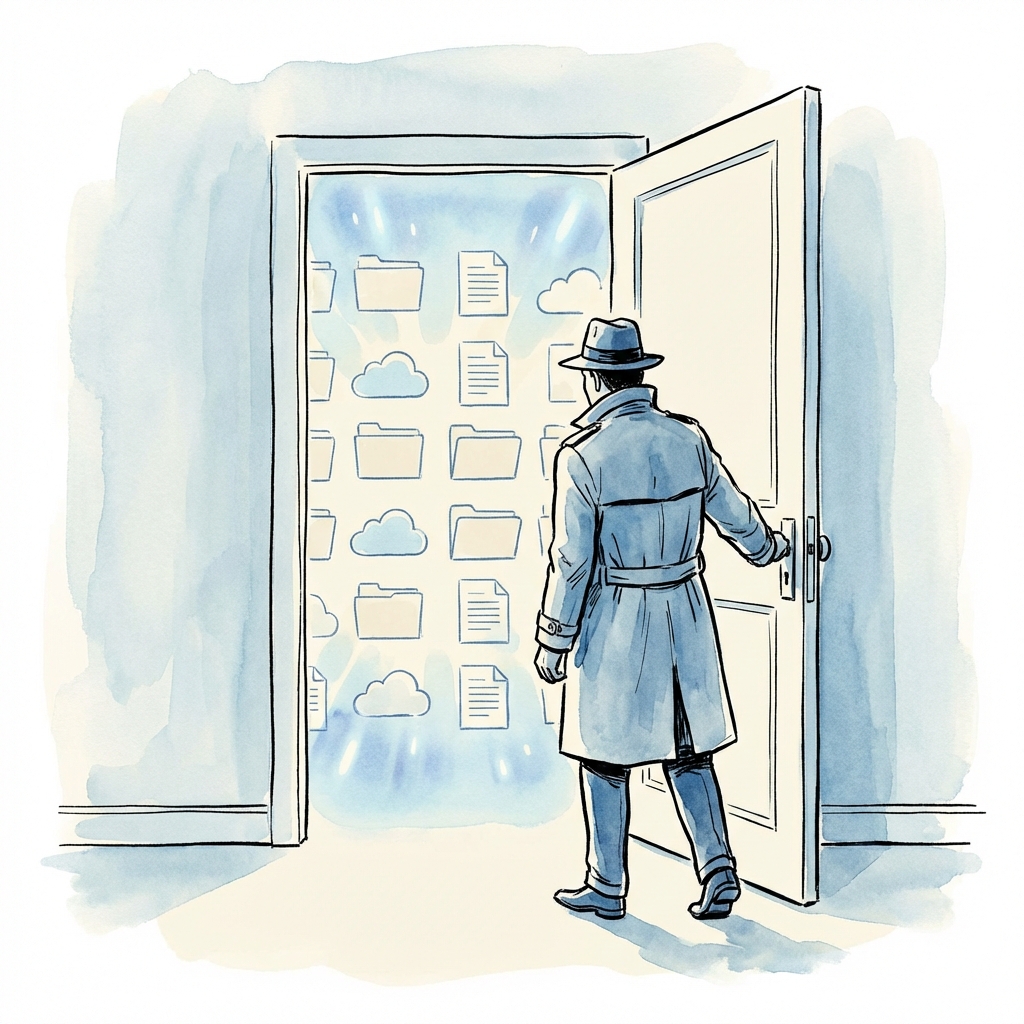
What Can It Do For Me?
Imagine an intern who:
- ⚡️ Types at 1000 words per minute
- 📂 Can read thousands of files instantly
- 🤖 Never gets tired of boring tasks
- ✅ Follows instructions exactly
That's Cowork. Here are 3 real-world tasks you can give it today.
Use Case 1: Organizing Messy Files
We all have that one folder. The "Downloads" folder with 500 PDFs, or the "Desktop" clutter.
The Task: "Clean up this folder by organizing files into subfolders based on their date and type."
How to do it:
- Open Cowork.
- Click Add Folder and select your messy folder.
- Type this prompt:
"Look at all the files in this folder. Create subfolders named by Year-Month (e.g., '2026-01'). Move each file into the correct folder based on its creation date. Also, keep all Screenshots in a separate 'Screenshots' folder."
The Result: Cowork will scan every file and organize them perfectly in seconds.
Use Case 2: Automating Expense Reports
If you have a folder full of receipt PDFs or images, Cowork can extract the data into a spreadsheet.
The Task: "Read these receipts and make an expense report spreadsheet."
How to do it:
- Put your receipt files in a folder.
- Give Cowork access to that folder.
- Type this prompt:
"Read every receipt file in this folder. Create a CSV file called 'Expenses.csv' with columns for: Date, Vendor, Amount, and Category. Sum the total at the bottom."
The Result: You get a ready-to-use spreadsheet without manually opening a single receipt.
Use Case 3: Meeting Minutes & Summaries
Turn raw notes or transcripts into polished documents.
The Task: "Turn these rough notes into a professional meeting summary."
How to do it:
- Save your rough notes (or an AI transcript) as a text file.
- Give Cowork access.
- Type this prompt:
"Read 'meeting-notes.txt'. Create a professional PDF document with an Executive Summary, Key Decisions, and Action Items table. Format it nicely."
The Result: A formatted report ready to email to your boss.
Safety First: 3 Rules for Admin Work
- Start with a Copy: Before asking Cowork to organize important files, copy them to a "Test" folder first. See if you like the result.
- Be Specific: Don't just say "clean up." Say "Move PDF files to a 'PDFs' folder."
- Check the Work: Cowork is smart, but it can make mistakes (like misreading a blurry receipt). Always double-check the output.
Use Case 4: Drafting Emails from Scattered Notes
A common admin task: you had three conversations (a Slack thread, a phone call summary, and a follow-up email) and now you need to send one consolidated update to a client.
The Task: "Read these notes and draft a professional client update email."
How to do it:
- Save each note as a separate text file in one folder (e.g.,
slack-thread.txt,call-summary.txt,prior-email.txt). - Give Cowork access to that folder.
- Type this prompt:
"Read all three files in this folder. They are notes from different conversations about the same project. Write a single professional email to the client that summarizes the current status, what we have agreed on, and the next steps. Keep it under 200 words. Save it as 'client-update-draft.txt'."
The Result: A clean, consolidated email draft that pulls from every source — no more switching between windows to copy and paste.
Use Case 5: Building a Contact List from Mixed Files
You have a folder with business card photos, a CSV from a conference scanner, and a few emailed vCards. You need one clean spreadsheet.
The Task: "Merge all these contact sources into one organized spreadsheet."
How to do it:
- Put all the files (images, CSV, vCards) in one folder.
- Give Cowork access.
- Type this prompt:
"Read every file in this folder. Some are images of business cards, some are CSV files, some are vCard files. Extract the contact information from each one. Create a single CSV called 'master-contacts.csv' with columns: Name, Company, Title, Email, Phone, Source File. Deduplicate any contacts that appear in more than one source."
The Result: One deduplicated spreadsheet ready to import into your CRM or address book.
Tips for Writing Good Prompts (Without Knowing Code)
You do not need to be technical to write effective Cowork prompts. The skill is just being clear about what you want — the same skill you use when delegating to a human assistant. A few principles that consistently produce better results:
- Name the output file. Say "Save it as
report.pdf" rather than "make a report." This forces you to think about format and makes the result easier to find. - List the columns or sections you want. Instead of "make a spreadsheet," say "Create a CSV with columns for Date, Vendor, Amount, Category." Vague prompts produce vague outputs.
- Give a limit. "Keep it under 200 words" or "List the top 5 items." Without a limit, Cowork may produce more than you need.
- Describe the audience. "Write this for my boss" produces different output than "write this for a client." One sentence of context improves relevance.
- Break big tasks into steps. Instead of "organize my entire computer," start with "organize my Downloads folder." You can always give the next task after you see the result.
Getting Started
You don't need to know code to start Cowork.
- Use a supported paid Claude plan with Cowork access (Pro, Max, Team, or Enterprise).
- For local folders and desktop apps, download the Claude Desktop app for Mac or Windows and keep it open when the task needs your computer.
- In the message box, select Cowork.
That's it. You're ready to automate your workday. Cloud sessions are the default; do not assume files stay only on your computer.
What to Try First
If you are not sure where to start, pick the task you dread the most. The one you keep putting off because it is tedious — that is the perfect first Cowork task. Most users start with file organization because it is low-risk (you can always undo a file move) and the result is immediately visible. Once you see Cowork handle that, the harder tasks feel approachable.
Related Guides
- Getting Started — Full setup walkthrough for your first folder task
- Best Use Cases — Ideas organized by role and task type
- Safety Tips — Keeping your data safe while you automate
- Cheat Sheet — Quick prompts you can copy and paste
- Pricing and plan access — Which Claude plans include Cowork
- Claude Cowork comparisons — When another AI work agent may fit better